 Home
Home
Spirituality
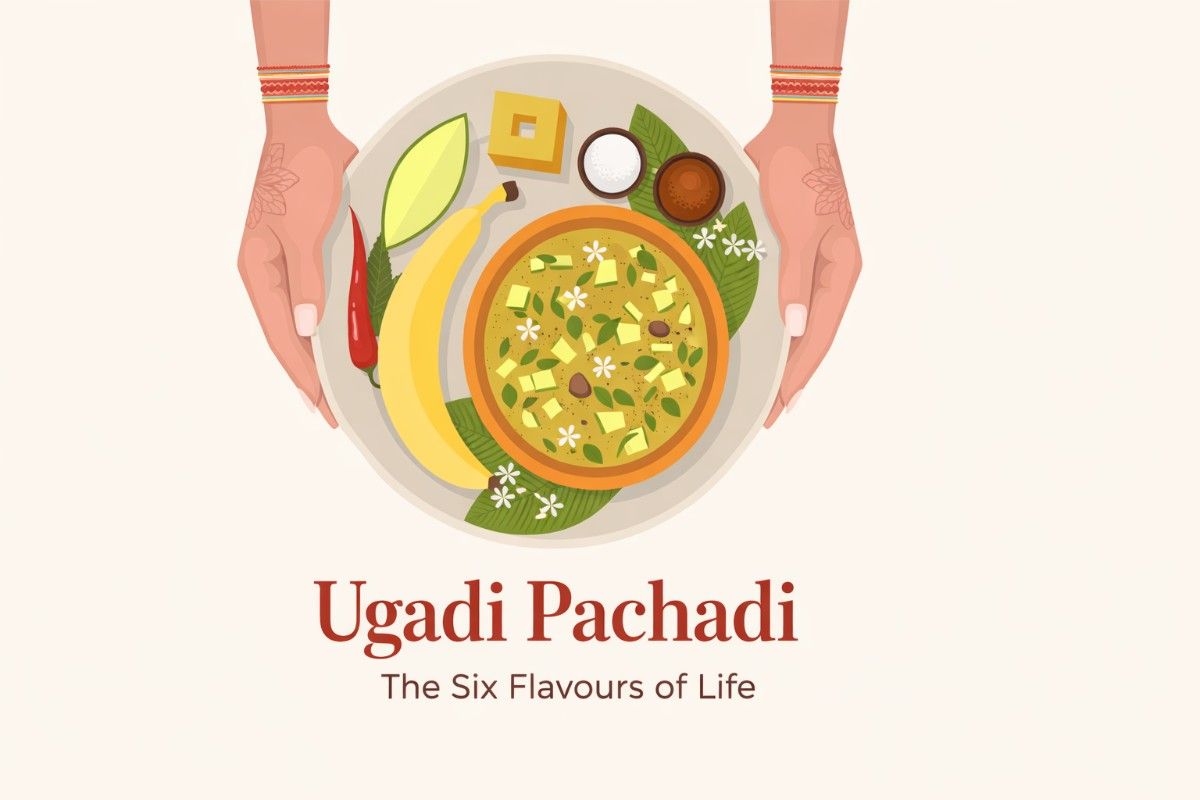
Ugadi Pachadi: The Six Flavours of Life
Published On: March 18, 2026
Every year, Ugadi arrives like a breath of fresh air. Homes are cleaned, doors are decorated with mango leaves, and people step into the day wearing new clothes and brighter smiles. There’s a certain energy in the air—hopeful, joyful, and full of possibility.
But here’s something worth thinking about—what does Ugadi really mean?
Ugadi is celebrated as the New Year in Karnataka, Andhra Pradesh, and Telangana. The word itself comes from two Sanskrit words:
Put together, it literally means “the beginning of a new era.”
According to ancient traditions, this is believed to be the day when the universe was created. So, Ugadi isn’t just another festival—it marks a symbolic reset. A chance to start fresh, reflect on life, and move forward with clarity.
And interestingly, one of the most meaningful parts of this celebration isn’t grand decorations or rituals…
…it’s a simple, humble dish called Ugadi Pachadi.
At first glance, Ugadi Pachadi may look like just another traditional recipe. It’s a mixture of a few ingredients—nothing too fancy.
But don’t let its simplicity fool you.
This dish carries a message that’s surprisingly deep. It’s not just food—it’s philosophy served in a bowl.
Ugadi Pachadi combines six different ingredients, each representing a unique taste. And each taste reflects a different emotion or experience in life.
In a way, it quietly tells us:
Life isn’t one-dimensional—it’s a mix of everything.
Each ingredient in Ugadi Pachadi symbolizes something we all go through.

Neem is known for its strong, bitter taste. Not exactly something people crave—but it’s essential.
It represents:
Life doesn’t always go our way. Sometimes things fall apart. Plans fail. Expectations don’t match reality.
But here’s the thing—these bitter moments build strength and resilience. Without them, growth would be nearly impossible.

Ah, the part everyone loves.
Jaggery brings sweetness to the dish, symbolizing:
These are the moments that make life feel worth it—when things go right, when hard work pays off, when you feel appreciated.
But sweetness alone doesn’t define life. It’s just one part of the story.

Tamarind adds that tangy, sour kick.
It represents:
Ever had a day where nothing went as planned? That’s the “tamarind” phase.
These moments may feel uncomfortable, but they teach adaptability and patience.

Raw mango brings freshness and a slightly tangy taste.
It symbolizes:
Starting something new—whether it’s a job, a class, or a goal—comes with a mix of excitement and uncertainty.
It’s that feeling of stepping into the unknown… and growing through it.
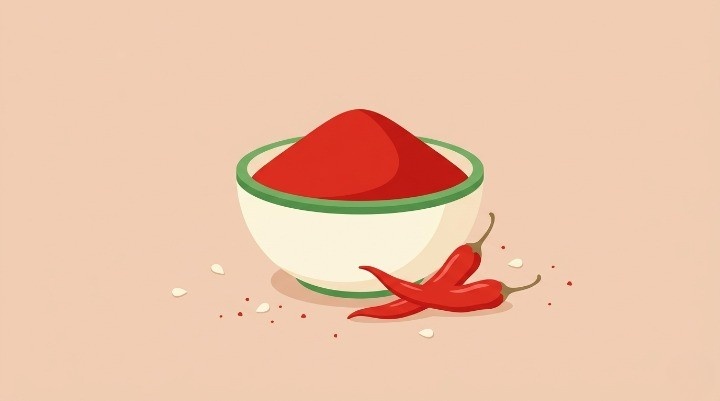
Chilli adds heat—literally.
It represents:
Let’s be honest—life isn’t always calm. We all experience moments of irritation or emotional overwhelm.
The key isn’t to avoid these emotions…
it’s to manage them wisely.

Salt might seem basic, but it’s essential.
It represents:
Without salt, none of the other flavours stand out properly.
Similarly, without balance, life feels chaotic.
Balance is what keeps everything grounded.
Now, let’s bring this into everyday life—especially for students and young individuals.
In every situation, the goal remains the same “Stay balanced”.
Life keeps changing—sometimes quickly, sometimes unexpectedly.
But here’s a powerful thought:
We may not control what happens… but we can control how we handle it.
Ugadi Pachadi doesn’t ask us to eliminate bitterness or avoid challenges.
Instead, it teaches us to:
And honestly, that mindset makes life a lot lighter.
Ugadi is more than just a festival—it’s a gentle reminder to start fresh, not just in our surroundings, but within ourselves. And through Ugadi Pachadi, we’re given a simple yet powerful life lesson: every experience, whether sweet or bitter, has its place.
Life won’t always go the way we expect—and that’s okay. There will be highs that make us smile and lows that test our strength. But instead of resisting these moments, we can learn to accept them with balance and maturity.
In the end, it’s not about chasing only happiness or avoiding difficulties.
It’s about staying steady through it all.
So this Ugadi, as you taste each flavour of Pachadi, take a moment to reflect—embrace every part of life, grow through it, and move forward with a calm and balanced mindset.
Ugadi Pachadi is a traditional dish prepared during the Ugadi festival. It symbolizes the different experiences of life through its six unique flavours.
The six ingredients are neem (bitter), jaggery (sweet), tamarind (sour), raw mango (tangy), chilli (spicy), and salt (balanced).
Each flavour represents an emotion or phase of life—happiness, sadness, anger, surprise, challenges, and balance.
Neem represents bitterness, symbolizing life’s struggles, failures, and difficult experiences that help us grow stronger.
It carries a deeper meaning. Beyond tradition, it teaches us to accept all aspects of life with balance and maturity.
It reflects real-life experiences by reminding us that life is a mix of emotions, and we must learn to handle each situation calmly.
Students can learn to stay balanced—whether facing success, failure, stress, or new opportunities.
Ugadi marks the start of a new lunar calendar and is believed to symbolize new beginnings and fresh opportunities.
Leave a Reply