 Home
Home
Transforming life
Enjoying Life within Boundaries: The Secret to Long-Term Happiness
Published On: April 7, 2026
, Updated on : April 8, 2026
You might be one of the many young people searching for long term happiness, yet feel that saints and scriptures are constantly standing in the way of your freedom and enjoyment.
However, you must ask yourself: Is this a myth or a reality?
We mistake discipline for punishment.
But consider this:
To understand why boundaries matter, we look at the timeless episode from the Ramayana — the crossing of the Lakshman Rekha.
Why did Ravana kidnap Sita Ji?
While there are many interpretations — from Ravana’s revenge to Sita’s desire for the golden deer — the simplest answer is: she stepped outside the protective boundary.
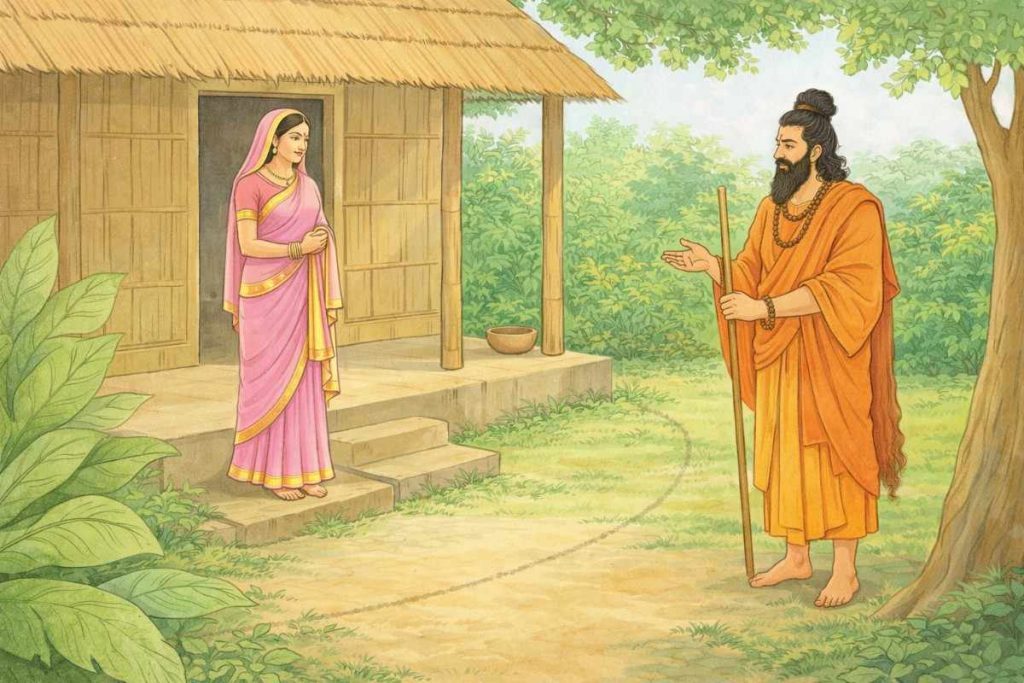
Just like that story, you are standing inside a Lakshman Rekha called the boundary of dharma.
Outside this boundary, many “Ravanas” wait in disguise.
“If you protect dharma, dharma protects you.
If you break dharma, dharma breaks you.”
Even powerful personalities suffer when they ignore moral boundaries.
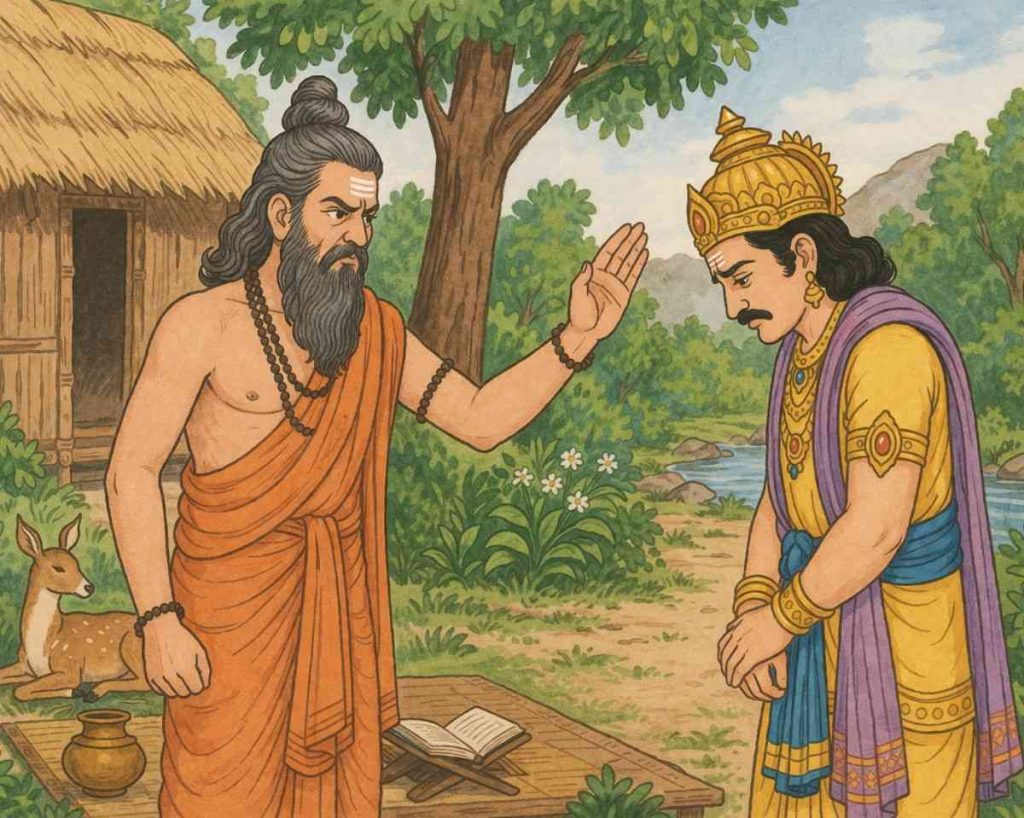
Indradev, king of heaven, crossed the boundary of marriage when he lusted after Ahalya, wife of Gautam Rishi.
Driven by desire, he conspired and sinned.
The result?
He was cursed and forced to suffer humiliation and exile.
Lesson: Even power cannot protect someone who violates dharma.
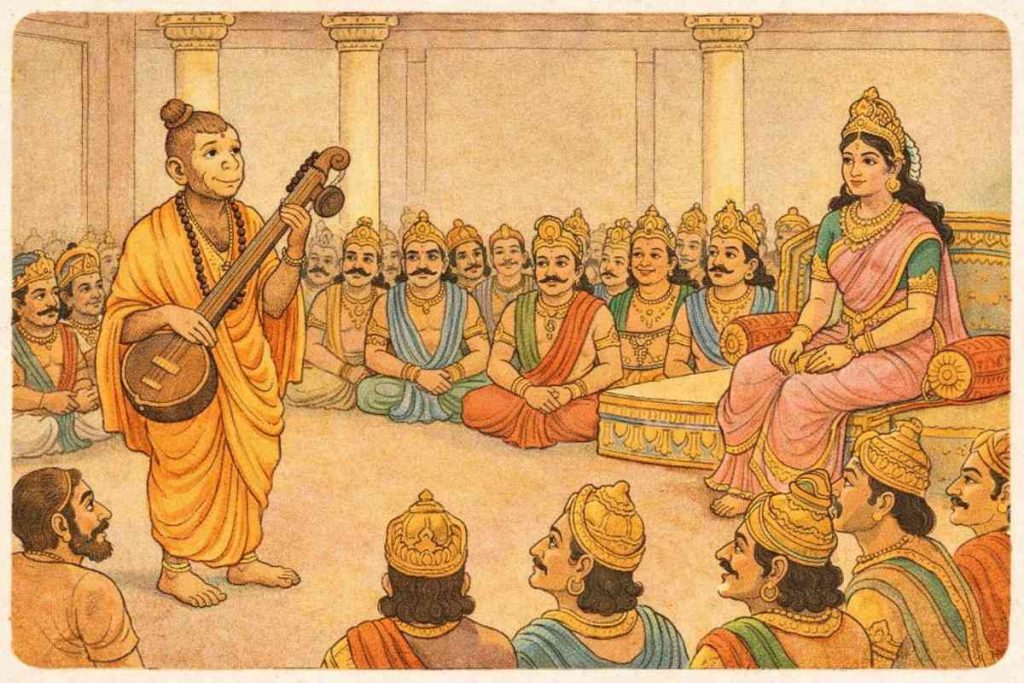
Narad Ji, a great sage, once allowed ego and desire to cloud his wisdom.
Lesson: When desire controls you, you begin behaving like a monkey — even if you look human.
Many believe scriptures stop enjoyment.
This is a myth.
Scriptures do not stop pleasure — they prevent short-term pleasure that leads to long-term suffering.
All promise instant happiness.
But excess leads to exhaustion, addiction, and regret.
“Discipline feels uncomfortable today —
But regret feels unbearable tomorrow.”
Anything in excess becomes poison.
The only things that are never harmful in excess are bhakti and seva — devotion and service.
You may think:
Reality is the opposite.
Outside the line, the Ravanas of depression, betrayal, illness, and poverty are waiting.
Draw a line down a piece of paper and answer honestly:
“Freedom is not doing whatever you want.
Freedom is having control over what controls you.
That is the gift of dharma.”
Awareness is the first step toward protection.
You can fully enjoy life — not by breaking boundaries — but by living beautifully within them.
In the end, the path to long term happiness is not found in breaking boundaries, but in understanding their purpose. What may feel like restriction today is often protection for tomorrow. Dharma, discipline, and self-control are not barriers to enjoyment — they are the very foundation that allows you to enjoy life without regret.
When you stay within your Lakshman Rekha, you are not limiting yourself — you are protecting your peace, your growth, and your future. Because true freedom is not doing everything you desire, but having the wisdom to choose what leads to long term happiness.
Boundaries protect your mental, emotional, and spiritual well-being. They help you avoid short-term temptations that lead to long-term suffering, making them essential for achieving long term happiness.
Boundaries may feel restrictive at first, but they actually increase true freedom. They give you control over your actions and protect you from harmful choices, leading to long term happiness.
Lakshman Rekha represents the protective boundaries of dharma in life. Staying within these limits ensures safety, stability, and long term happiness, while crossing them can lead to negative consequences.
Instant pleasure often leads to addiction, regret, and imbalance. Choosing discipline over temporary enjoyment helps build a stable and fulfilling life focused on long term happiness.
The story teaches that stepping outside protective boundaries can expose us to hidden dangers. It highlights the importance of staying within dharma for long term happiness and protection.
Uncontrolled desires can cloud judgment and lead to poor decisions. When you control your desires, you make wiser choices that support peace, stability, and long term happiness.
Yes, discipline may feel difficult in the short term, but it builds habits that create stability, success, and long term happiness over time.
Leave a Reply