 Home
Home
Spirituality
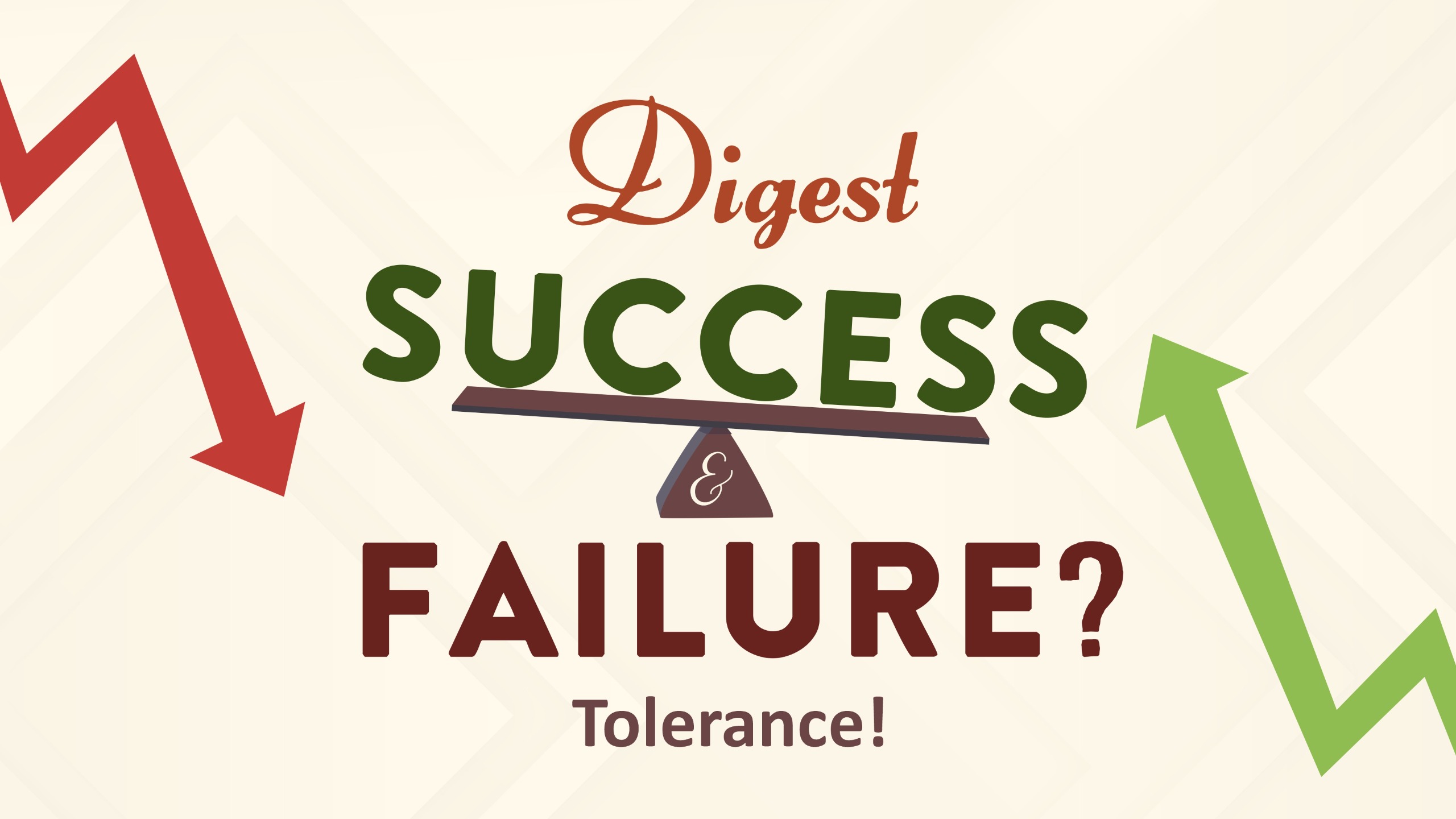
Digesting Success and Failure: How to Handle Success and Failure in Life!
Published On: December 22, 2025
You all might be thinking, “What is the need to digest success? It is only failure that is needed!” But that is a misconception most people live with!
The ‘Real Truth’ is that digesting success is a little harder than digesting failures!
Let’s dive deep to understand why success is harder to understand than failure…..
First, let’s start with a question:
Success, in simple terms, means achievement.
What do you think is the negative effect of achieving something?
Well, there are 3 major negative effects of success:

In a fierce war between devas and asuras, the devas emerged victorious by the grace of God, while the asuras were defeated and sent away. Indra, pleased with the victory, called all the devas for a celebration in the heavens and praised them for their efforts. Observing this, a Rushi wanted to teach them a lesson: that the true cause of their victory was not themselves, but God. He placed a leaf on the ground and challenged everyone to move it. Astonishingly, none could! Then they realised that the Rushi was Lord Narayan himself. They bowed in reverence and sought forgiveness. This story shows that failing to digest success can lead to arrogance and ego.

When we emerge successful, we mostly do not think about how we can be consistent in retaining the same impression by setting the next goals. Instead, we tend to engage ourselves in the celebration of the achievement. We tend to forget the future goals.

After accomplishing an achievement, many people think, “I am already successful, I don’t need to do anything more!” They get stagnated in these thoughts. In fact, the main goal after achieving something is to stay active, not lazy, do more hard work, no no-work! Our Elder Swamiji says, “Success is not the destination; it is the journey of life”. If success were our destination, then we would not have to do anything! Till our last breath, success is a journey. We should keep achieving milestones with our level best efforts. This is the way we should move on with the success.
Moving on, let us see:
Similar to the above, we have 3 major negative effects of failure as well:
The main problem after facing a failure is that we become very anxious to continue forward with our work. The ‘what if’ situation starts playing in our minds. For every step forward, our mind shoots many ‘what if’ questions before each question. This will limit our effort.
If we have at least one from all of the above, we start feeling like avoiding talking with anybody, we would like to go on holidays and spend time in nature, and most importantly, we feel like staying ALONE. All these represent the failure in digesting failure!
To forget these failures and pain, many people start consuming temporary relief, and that is none other than drugs, alcohol and smoking. This tells us that the person who does not have the skill to digest failures would fall into Addiction & Bad Habits.
Until now, we have been seeing the negative effects of successes and failures.
And now we are coming into the main part of how to TOLERATE these….
The biggest reason we develop ego after achieving something is the illusion that we alone are the cause of our success! The truth is, every achievement stands on the support of many people. Even God shows this. When Lord Ram returned to Ayodhya, he first took blessings from his parents and later acknowledged every vanar who helped him, though he is God himself. That is the real art of success. No one in this world accomplishes anything remarkable alone — every victory is a team effort. So the simple formula is that collaboration is the key to success, and not competition!
Before we succeed, we have a cause or a goal or an intention. This answers the question ‘Why are we succeeding in life?’. So whenever we succeed, we have to remember why we are succeeding. Also, we have to have a goal which is infinite, which means the work we do our whole life should not be enough to achieve our goal. For example, Gunatitanand Swamiji had one clear goal, and he shared it with everyone — that all people should do the devotion of Bhagwan Swaminarayan. And when you have these sorts of infinite goals, your whole life will have a purpose behind and it is not just your life, it is the life of all he future generations as well!
We have to keep thinking about these phases:
“What next?” “What new?” “What bigger?”
Our Elder Swamiji Sadguru Shree DevPrasadDasji Swamiji always has a question for all of the saints and devotees, which is quite common, but shows a great sign:
“What next?”
Whenever he gives them a seva, and completes it and succeeds, swamiji will not stop there. He will set another benchmark for the next success. This shows the sign of Digesting Success.

After achieving success, we mostly start comparing with the inferior people or the people who are lower than us in terms of success in any aspect. This shows that the person is not able to digest success. Also, if we do this, we fall into the ‘comfort zone’, which should not happen!
Whenever we succeed, we should avoid comparing ourselves with those behind us. Instead, we should look toward those who are not just ahead, but far ahead of us, so that our progress never stops.
So, if we compare ourselves to inferior people, we will be lazy, but if we compare ourselves to great people, we will be crazy…

We have to plan what we can give back. Give back to whom? To those who have helped us and supported us in the smallest way possible. This also naturally becomes the moral duty of the person after achieving success. So we must always have a plan to ‘give back’ to all the people who have supported us.
Now let’s answer the question
After we fail, it’s perfectly okay to cry — but set a limit. One hour, and no more. Not to scream or collapse, but to honestly face where we slipped and accept that we could have done better. That hour is meant for the discomfort, the regret, and the sting — because those feelings, when handled right, don’t weaken us, they sharpen us. And once those sixty minutes are over, we step out of the failure mindset and re-enter life, work, and forward motion. If the emotions come back later, don’t shove them into a corner; let them out, breathe, and release them. If we hold them in, they turn heavy and stubborn. But when we allow them to flow, the mind becomes lighter, clearer, calmer.
And here’s the real win: you don’t overcome failure by being heartless — you overcome it by not letting it rule you. Cry, reset, and then get up with dignity. That’s the kind of strength that isn’t loud, but unshakeable. That’s how you rise again — not weaker, not broken, but wiser and readier than you were before.
Whenever we face a failure, we should start scanning for opportunities in it. By this, we can motivate ourselves not to give up on our hopes, because there will be another opportunity as well. Sometimes we can succeed only because of failures. So our elders have quoted this phrase very well:
“Failures are the stepping stones of Success”
Whenever we face failure, we have to think about something big. For example, at the age of 30, if you face a failure, then you should not think that your life is over. Instead, you should motivate yourself to think about the bigger picture of your career or job.
This is also seen in the story of Mahatma Gandhiji. Mahatma Gandhiji was actually a lawyer, not a freedom fighter. But he could not go ahead with the law. Later, because of this failure, he joined with the freedom fighters of India, and he came to be known as ‘The Father of the Nation’. Sometimes we should accept failures as part of success. After a failure, we should always think that some other bigger opportunity will come in our lives.
Most of the time, when we face a failure, we tend to start changing the goals themselves. But this is wrong; we should change the strategy of achieving our goal, but not our goal.
Even in the life of Abraham Lincoln, he tried to become the president of the US 7 times. Each time he failed, he analysed and tried another strategy. But he did not change his goal; he only changed his strategies. Had he given up his goal, then no man of the US would ever remember him, as the world would have.
In life, there is always a misconception that we win or we lose. This is actually wrong. In life, we have only 2 options: to win or to learn. And there is no guarantee that we will always win. There is some probability that we lose as well, and when we lose, we have to learn, and when we win, we have to go to the next win. And when we fail or lose, we have to extract the lessons from the failure that we face.
Success and failure are two sides of the same coin. Both demand your attention and wisdom. Here’s your quick action guide:
✓ FOR SUCCESS: Remember who helped you → Connect to your “why” → Chase next bigger goals → Compare with the greats, not the weak → Give back!
✓ FOR FAILURE: Cry for 1 hour, then move on → Hunt for hidden opportunities → Think BIG picture → Change strategy, not goals → Extract lessons.
The golden rule? Life offers only 2 outcomes: WIN or LEARN. There’s no loss — only lessons.
Stop believing in “winning or losing.” Start practising “winning or learning.” Make these strategies your daily habit, and watch how tolerance transforms your life. The choice to digest and grow is entirely yours.
Leave a Reply