 Home
Home
Spirituality
The Hidden Essence of Makara Sankranti
Published On: January 3, 2026
Makara Sankranti meaning reveals the deeper spiritual significance behind this sacred Hindu festival and the divine movement of the Sun.
To know the story behind Makara Sankranti, we must first know its meaning.
The word Makara Sankranti has three words:
Makara + Samyak + Kranti
Makara– is the name of a rashi or zodiac sign
Samyak– means towards the path of betterment
Kranti– means revolution or movement
Combining all we can tell, The Movement Of The Sun For The Betterment of Makara. This is the meaning of Makara Sankranti.
Now let’s see what the story behind this is…
After the Kurukshetra war, Bhishma Pitamah was struck by countless arrows and lay on a bed of them. Because he had the boon of icchā–mṛtyu (choosing the moment of his death), he did not leave his body immediately.
He waited.
Why?
Because the sun was in Dakshinayana (its southward movement), which was not considered an auspicious time to leave the body. Bhishma wanted to die during Uttarayana, the sun’s northward journey, which begins on Makar Sankranti.
So he endured the pain, patiently waiting.
When Makar Sankranti finally arrived, the sun shifted into Capricorn (Makara) and began moving north. On that sacred day, Bhishma chose to give up his body and attained moksha.
Bhishma didn’t rush.
He didn’t panic.
He waited for the right moment — even in pain.
Life’s biggest decisions demand patience, clarity, and timing.
He was lying on a bed of arrows, but his purpose held him steady.
This reminds us:
If your “why” is strong, the “how” becomes possible.
The sun shifts a little every day, not in one big jump.
Tiny improvements create huge transformations.
Til Ladoo teaches a simple rule:
Make your words like sesame and jaggery — small and sweet.
You never regret kindness.
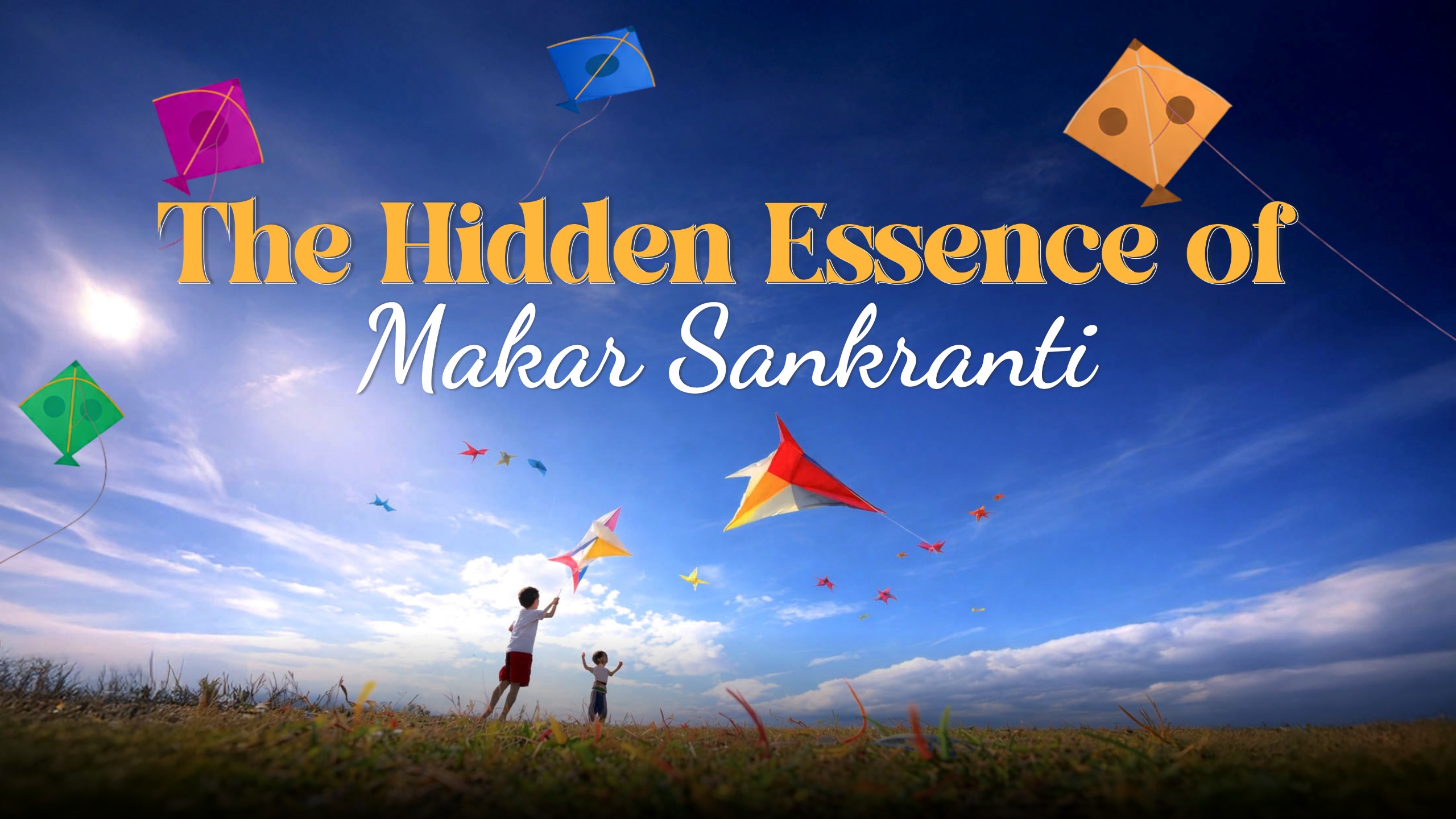
A kite flies high only because of the string controlling it.
Ambition needs roots, not ego.
Makara Sankranti reminds us to move toward light, rise a little higher each day, and let go of what no longer serves us. Like the sun shifting north and kites catching the wind, it teaches growth, clarity, and sweetness in how we live and speak.

It was pleasure for letting us know the valuable information
Thank you !
Leave a Reply