 Home
Home
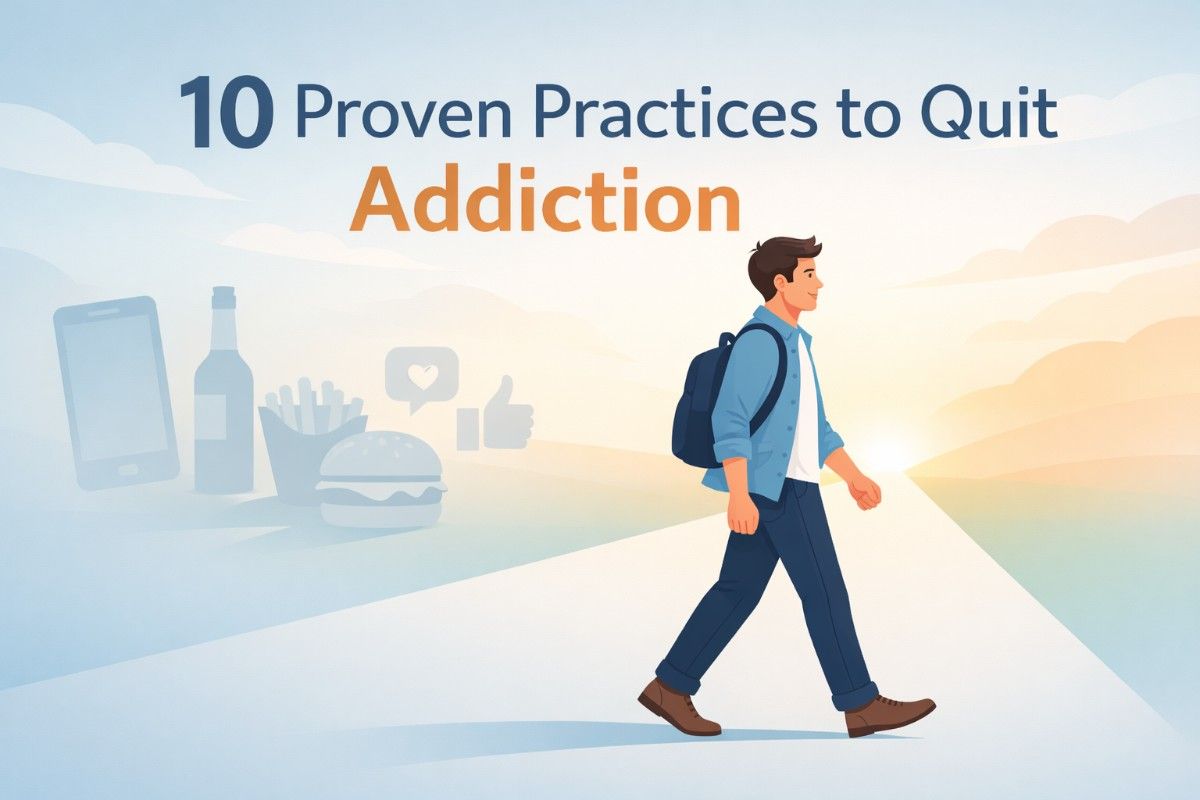
Transforming life
10 Proven Practices That Will Help You Quit Any Addiction
Published On: March 31, 2026
Quit addiction and breaking bad habits is not just about willpower—it requires awareness, honesty, and the right strategies. Whether it’s endlessly scrolling on your phone, drinking too much coffee, or struggling with more serious substances, these patterns can quietly take control of your life.
Before you dive into solutions, take a moment to reflect on yourself. You might be struggling with a habit if you answer “yes” to any of these questions,
Do you keep doing it even after promising yourself to stop?
Does it drain your energy, focus, or discipline?
Does it affect your health, sleep, or overall well-being?
If any of these sound familiar, the strategies below are practical steps to help you regain control and live a healthier, more focused life.
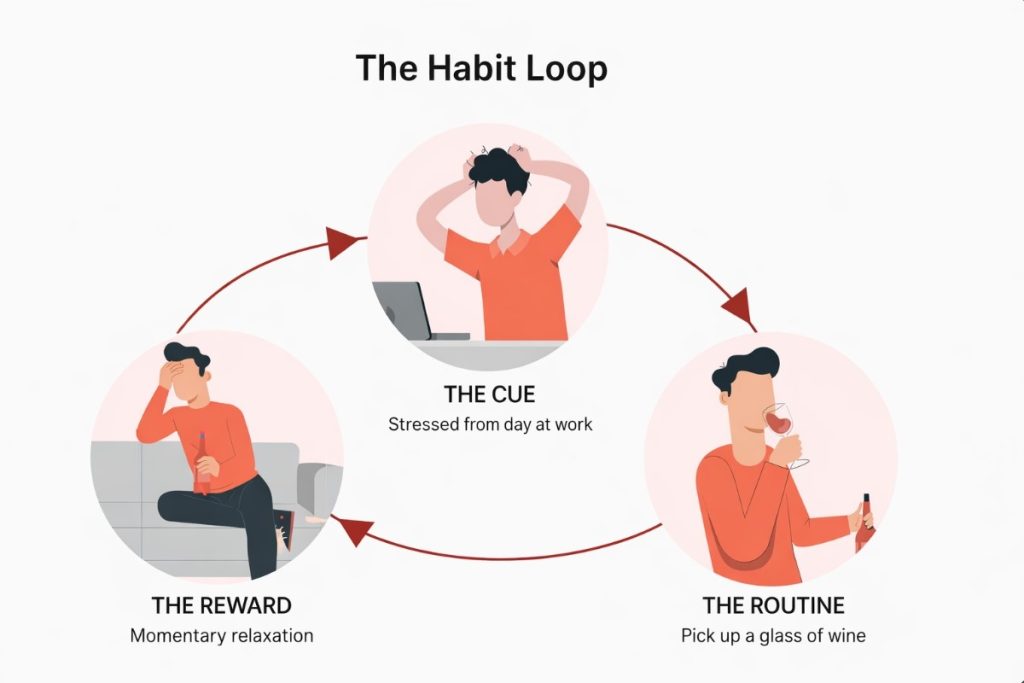
Addictions often survive because we are trapped in a false belief: that the habit is making us happy. The truth is that the initial pleasure fades quickly, and the habit repeats because of a craving, not genuine joy. When you recognise this, the habit loses its power, and the desire begins to fade.
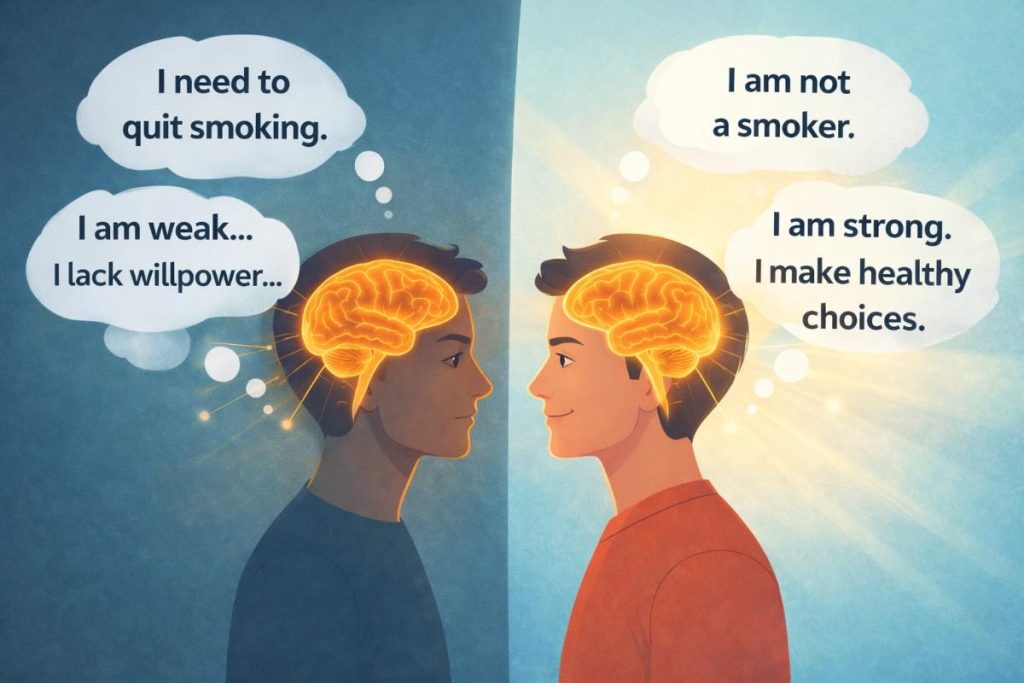
Real change starts with identity, not discipline. Instead of saying, “I’m trying to quit smoking”, tell yourself, “I’m not a smoker.” Your actions naturally follow how you see yourself. When you truly believe in the person you want to be, your mind supports your choices rather than working against them.
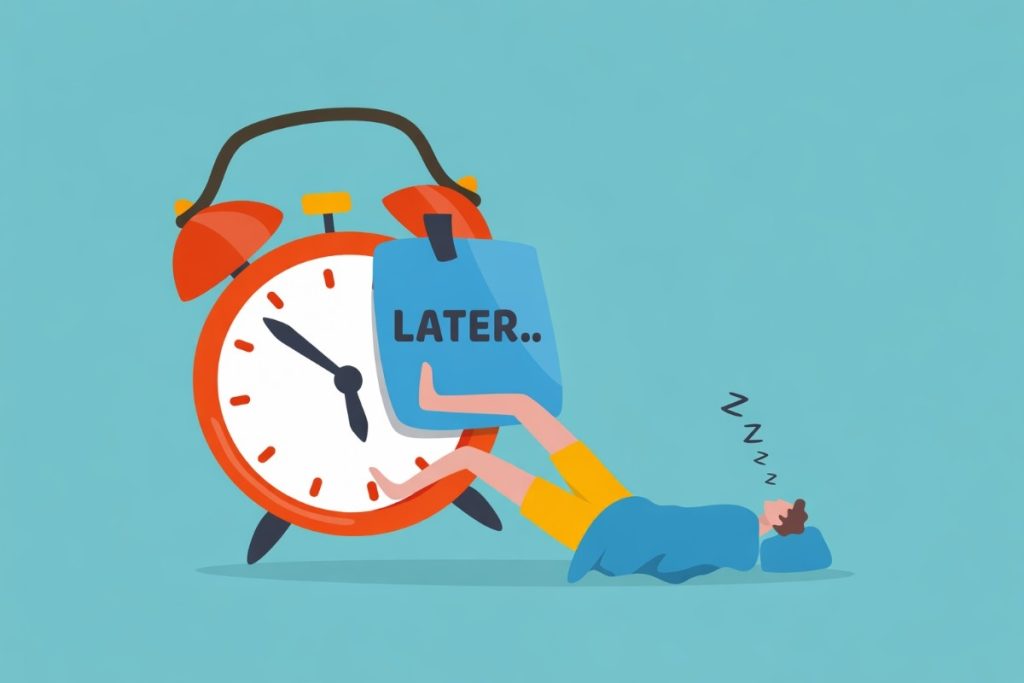
When you truly understand these patterns, it becomes easier to quit addiction instead of falling back into the same cycle.
Every addiction comes wrapped in short-term pleasure but hides long-term costs. Spending hours on social media might feel good in the moment, but the hidden consequences—missed deadlines, lost opportunities, or stress—catch up quickly. When you train your mind to see these costs, the craving loses its appeal.
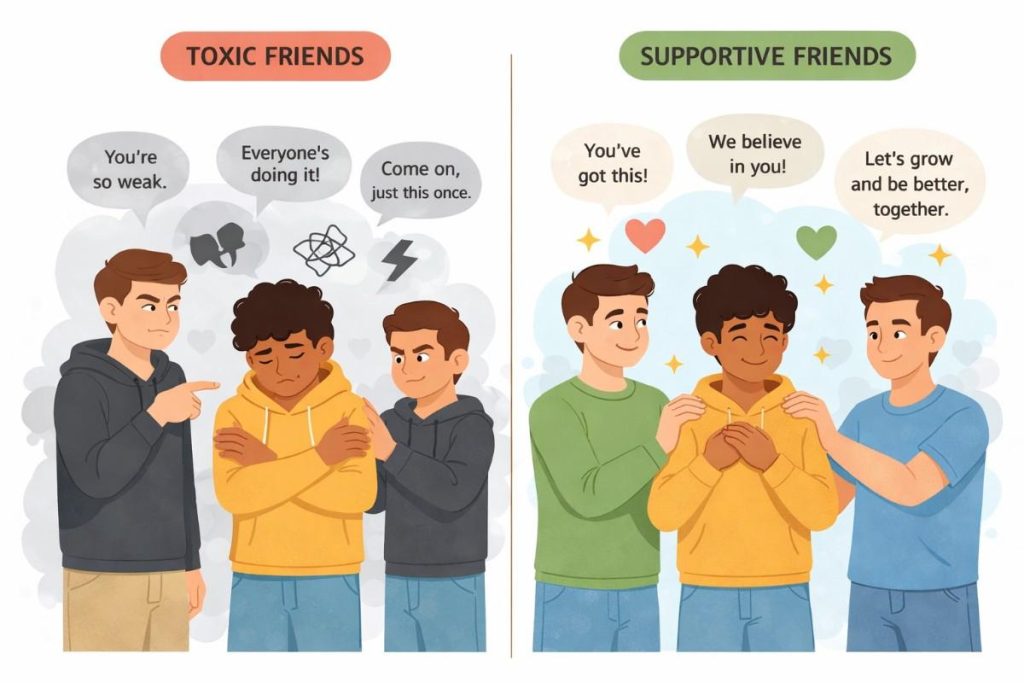
Your social circle can reinforce bad habits without you even noticing. Sometimes, overcoming an addiction means stepping away from people who pull you back into old behaviours. Surround yourself with those who uplift you, and the habit becomes easier to break.
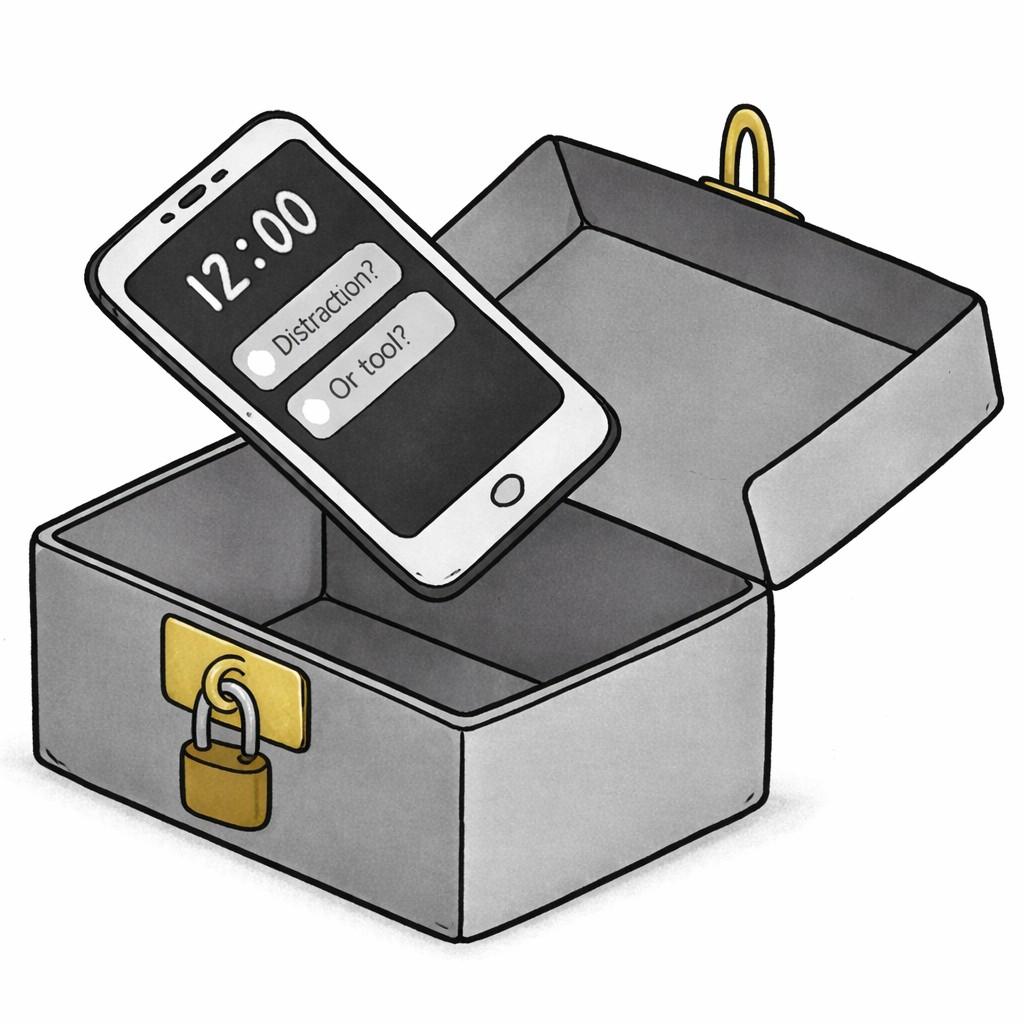
Habits follow a simple flow: trigger → action → craving → repeat. Break this cycle by removing or blocking triggers. Make the habit inconvenient. For example, if you are addicted to your phone, put your phone out of reach or store it somewhere difficult to access. Often, your mind will choose the easier, healthier path.
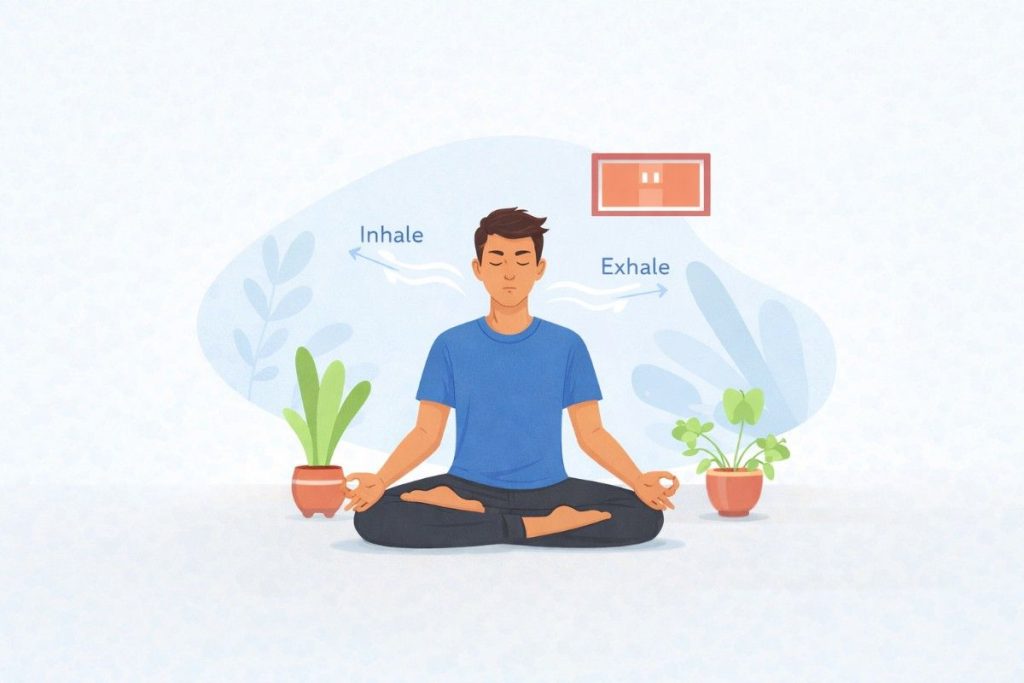
Cravings peak for just a few minutes—typically 6 to 9 minutes. If you can distract yourself during this short window—go for a walk, splash your face with water, or practice deep breathing—the urge will naturally pass. Small delays can make a huge difference.
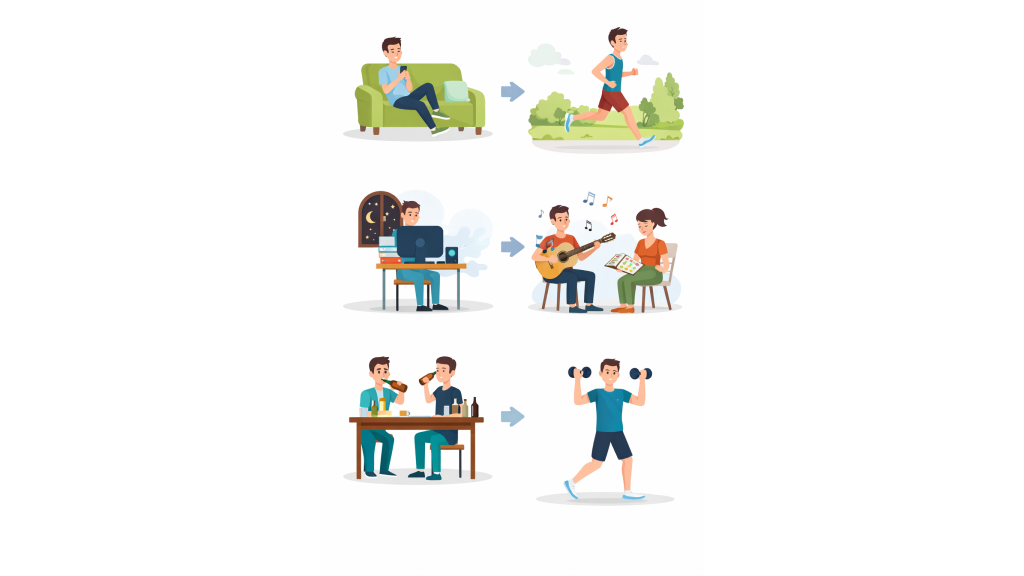
Trying to suppress a habit creates tension. Replacing it with a constructive activity creates momentum. Exercise, music, hobbies, or creative projects can give you the same dopamine boost as the habit—but in a way that builds your life instead of draining it.
Replacing negative habits with positive ones is one of the most effective ways to quit addiction and build a better lifestyle.
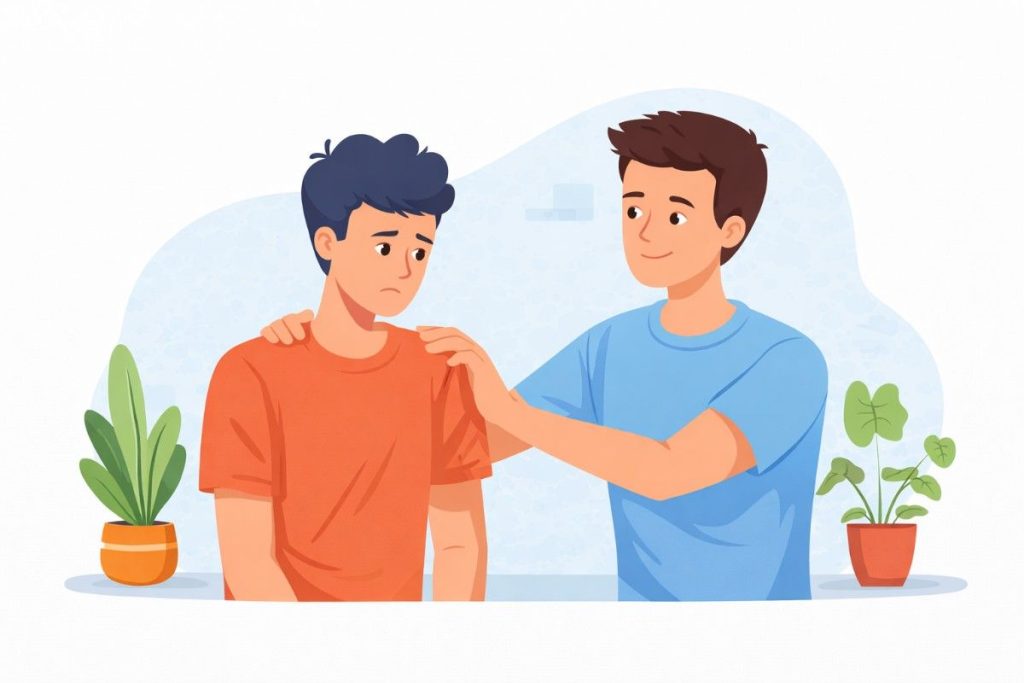
Addiction gets stronger when nobody talks about it. Telling a trusted friend, mentor, or family member about your addictions creates a sense of responsibility to stop it. When someone is aware of your progress, slips become less likely, and support becomes available when you need it most.
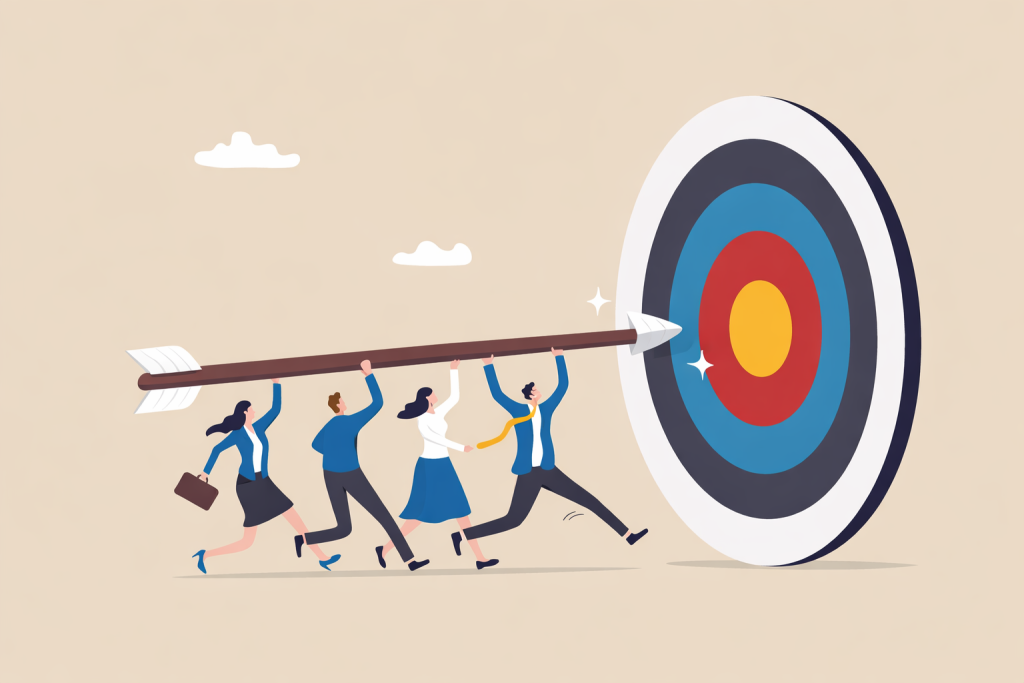
People with a clear purpose rarely get caught in small, destructive habits. If you have a goal that excites and drives you, minor temptations lose their hold. A life without challenge or direction often leaves room for habits that don’t serve you.
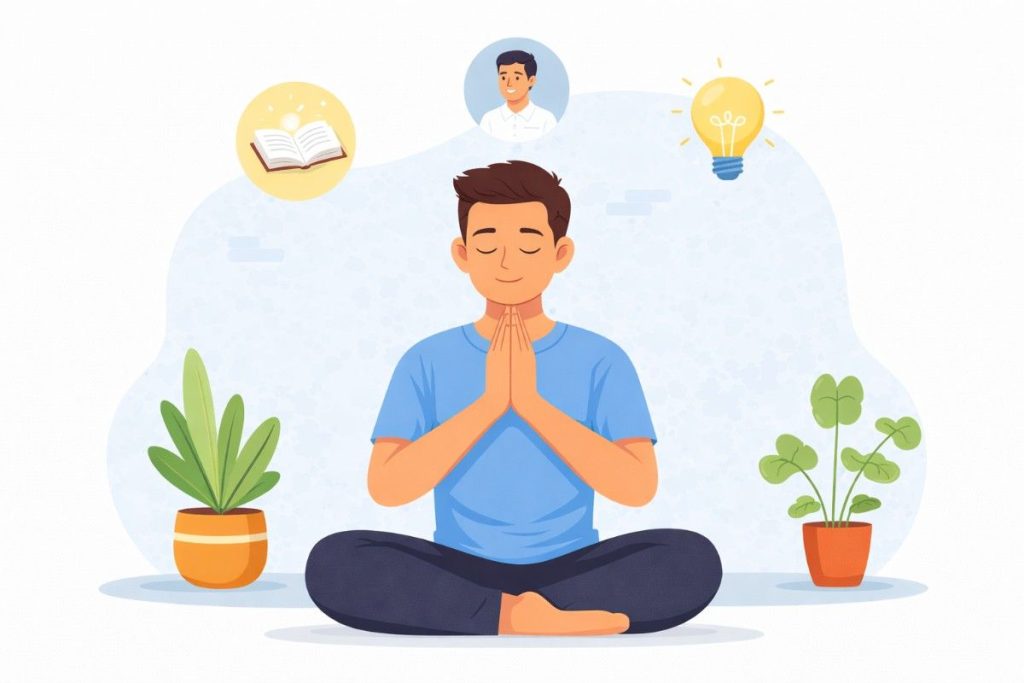
Whether it’s spiritual teachings, motivational talks, or positive mentors, regular exposure to guidance strengthens your mind and resilience. Even weekly engagement can reinforce your commitment and make you less vulnerable to old habits.
Breaking free from bad habits is not about perfection—it’s about progress and self-awareness. Each small step you take strengthens your control and weakens the hold of old patterns. Over time, these consistent efforts reshape your mindset and your lifestyle.
When you begin to see through false pleasures, build a stronger identity, and focus on meaningful goals, it becomes easier to quit addiction and move toward a healthier, more fulfilling life. The journey may not be instant, but every step forward brings you closer to the person you truly want to become.
The best way to quit addiction is by identifying triggers, changing your environment, and replacing harmful habits with healthier alternatives. Consistency and self-awareness are key to long-term success.
Breaking a bad habit can take anywhere from a few weeks to a few months, depending on the individual and the intensity of the behavior. Patience and consistency are essential.
It is difficult to quit addiction because habits are deeply connected to the brain’s reward system. Over time, repeated behaviors create strong mental patterns that are hard to break.
Cravings can be managed by delaying the urge, distracting yourself with activities, practicing deep breathing, or engaging in exercise. Most urges fade within a few minutes if ignored.
Yes, many people can quit addiction without professional help by building discipline, avoiding triggers, and staying accountable. However, support can help in more serious situations.
Yes, replacing negative habits with positive ones helps reduce resistance and builds a healthier routine. This approach makes long-term change more sustainable and effective.
Leave a Reply